Grocery Savings Guide 2026: Which Store Loyalty Programs Are Actually Worth It?
4 months ago



Grocery loyalty programs were not made to save customers money, they are designed to capture your purchase data and change how you behave. They collect information about what you purchase, when you purchase it, and which brands you trust. Saving you a few dollars at checkout is the price you pay. Most programs are priced to seem like a better deal than they actually are.
Some programs do both – they take your data and return enough value to make signing up worthwhile. This guide is about those programs – and about being clear about which ones are and aren't right for you.
This guide compares 10 major U.S. grocery loyalty and membership programs, grocery rewards programs, and supermarket cashback memberships available in 2026.
The Best Grocery Loyalty Programs in 2026
- Best Overall: Kroger Plus – free, broad US footprint, and the fuel points are real money.
- Best for Families: Costco Executive – the 2% reward on warehouse pricing is hard to beat for bulk buyers.
- Best for Fuel Savings: Kroger Plus – the most widely usable grocery-to-gas conversion in the country.
- Best Free Program: Target Circle – no card required, automatic 1% back, deals stack at checkout.
- Best Paid Membership: Costco Executive – the only paid tier here that mathematically earns back its fee for the average member.
- Skip If: Walmart+ – most grocery value is bundled with delivery and gas perks you may not use enough to justify the fee.
Comparison Table: Grocery Rewards Programs Ranked
| Program | Free or Paid | Earn Rate | Effective Return % | Standout Perk |
|---|---|---|---|---|
| Kroger Plus | Free | 1 fuel pt/$1 + offers | 1.5-3% | Fuel points worth $0.10-$1.00/gal |
| Kroger Boost | Paid: $69/$99/yr | 2x fuel + delivery | 2-4% if used heavily | Free delivery + 2x fuel |
| Safeway/Albertsons For U | Free | 1 pt/$1 + targeted offers | 1-2% | Personalized weekly deals |
| Safeway Fresh Pass | Paid: $99/yr | Free delivery | Break-even at heavy use | Unlimited delivery |
| Walmart+ | Paid: $98/yr | Delivery + gas perks | 0-2% on groceries | Member fuel pricing |
| Amazon Prime (Whole Foods) | Paid: $139/yr | 5% w/ Prime Visa | 0-5% | Prime-only WF discounts |
| Target Circle | Free | 1% + targeted offers | 1-3% | Stacks with Circle Card |
| Target Circle 360 | Paid: $99/yr | Delivery perks | Break-even at heavy use | Same-day delivery |
| Costco Executive | Paid: $130/yr | 2%, $1,250 cap | ~2% net | Annual 2% reward |
| Sam's Club Plus | Paid: $110/yr | 2% Sam's Cash, $500 cap | 1-2% net | 2% on most spend |
| Publix Club | Free | Personalized coupons | <1% baseline | Curated deal alerts |
| Sprouts Rewards | Free | Points + member prices | 1-2% blended | Member-only deals |
| Meijer mPerks | Free | Digital coupons + fuel | 2-3% | Auto-applied coupons |
How We Decided Which Programs Are Actually Worth It
Every program here ranks on five criteria, weighted toward what shows up on your bank statement.
Effective return percentage
What does each dollar spent earn back in redeemable value? A 1% return on a $200 weekly basket is $104/year. A 3% return is $312. The difference compounds.
Redemption flexibility
Cash-equivalent rewards beat "10% off a future purchase in selected categories" every time.
Expiry rules
Points that disappear are not points. Monthly-expiry programs get marked down; rolling balances get credit.
Personal-data trade-off
Every signup is a data transaction. We flag programs that lean hardest on personalized pricing and behavioral nudging.
Stacking compatibility
The best programs play well with cashback apps and credit cards. Programs that block double-dipping deliver less in practice than they look like on paper.

«If pressed to choose the most important metric, member-only pricing most often matters the most. Typically, member pricing is the main draw of most loyalty programs – and when member pricing varies significantly between competing programs, it almost always takes precedence»
Individual Program Reviews
Kroger Plus + Kroger Boost: Worth it free, optional paid
How it works. Kroger Plus is the free loyalty card used across Kroger, Ralphs, Fred Meyer, Fry's, King Soopers, and other banners. You earn one fuel point per dollar.
Points convert to discounts at Kroger fuel stations or Shell. Boost is a paid upgrade $69 delivery tier, $99 premium with 2x fuel adding free delivery and accelerated fuel earnings.
The math. A $150/week shopper earns 600 fuel points monthly, redeemable for up to $0.20/gal – about $3 per fill, $150/year for weekly fill-ups.
Add personalized digital coupons ($5-10/week for engaged users) and the total lands at $250-500/year on a $7,800 grocery spend. That's a 3-6% effective return.
The catch. Fuel points expire monthly. Coupons must be clipped digitally before purchase. Like most major grocery chains, Kroger uses loyalty-program data to personalize promotions and offers.
Worth it if: You shop at any Kroger-banner store regularly. Boost only earns back its fee if you order delivery 2+ times monthly or fill up heavy gas weekly.
«It is not better to stick with one grocery chain. I spread my purchases among several stores, depending on distance travelled, or how much dollarwise you want to spend, and can I touch all the different grocery stores in one flight (drive) path.»
Safeway/Albertsons For U + Fresh Pass: Free tier fine, paid tier rarely
How it works. For U is the free Albertsons-family program covering Safeway, Vons, Jewel-Osco, Acme, Shaw's, and Tom Thumb. You earn 1 point per dollar with personalized weekly offers layered on top. Fresh Pass is the paid delivery add-on $12.99/month or $99/year.
The math. A $150/week shopper earns roughly $1-2/week in base point value – $75-100/year – before personalized deals, which add another $100-200. Effective return: 1-2.5%. Fresh Pass needs 8-10 delivery orders annually to break even.
The catch. Points expire on rolling cycles. Targeted offers vary by household, so two shoppers spending the same amount can see materially different savings.
Worth it if: You regularly shop Albertsons banners. Skip Fresh Pass unless you order delivery monthly.
Walmart+: Worth it for delivery, not for groceries alone
How it works. Walmart+ is a paid membership $98/year or $12.95/month bundling free delivery on orders over $35, gas discounts, in-store Scan & Go, and Paramount+ streaming.
The math. There is no points engine. Value comes from fuel ($0.10/gal off, $50-80/year for weekly fills), avoided delivery fees ($7-10 saved per order), and the streaming bundle if you use it. For a household that doesn't order delivery and doesn't fill up at Walmart gas, the membership returns close to zero on groceries.
The catch. All value depends on you actually using the bundled perks. Walmart's app pricing also shifts frequently, making "member prices" hard to verify against the non-member price.
Worth it if: You order Walmart delivery 2+ times monthly and fill up at Murphy/Walmart gas weekly. Otherwise, a free Kroger Plus card returns more per grocery dollar.
«The strongest loyalty programs are those that offer the most rewards for a given consumer purchase. They demonstrate a clear value proposition to the consumer.»
Amazon Prime at Whole Foods: Worth it for Prime users, not on its own
How it works. A Prime membership $139/year unlocks Whole Foods member discounts, an additional 10% off select sale items, and 5% back when you pay with the Amazon Prime Visa.
The math. A $150/week Whole Foods shopper captures $10-15/week in member sale prices, plus 5% cashback with the co-branded card. That's $500-800/year combined – but only if you'd shop Whole Foods anyway and only with the credit card. Without the card, effective return drops to ~2%.
The catch. Whole Foods baseline pricing runs 10-20% above conventional supermarkets, so "member savings" often just close that gap. Drop Prime and you lose all of it.
Worth it if: You already pay for Prime, and Whole Foods is your default store. Don't pay for Prime solely for grocery savings.
Target Circle + Target Circle 360: Free is great, paid is for delivery devotees
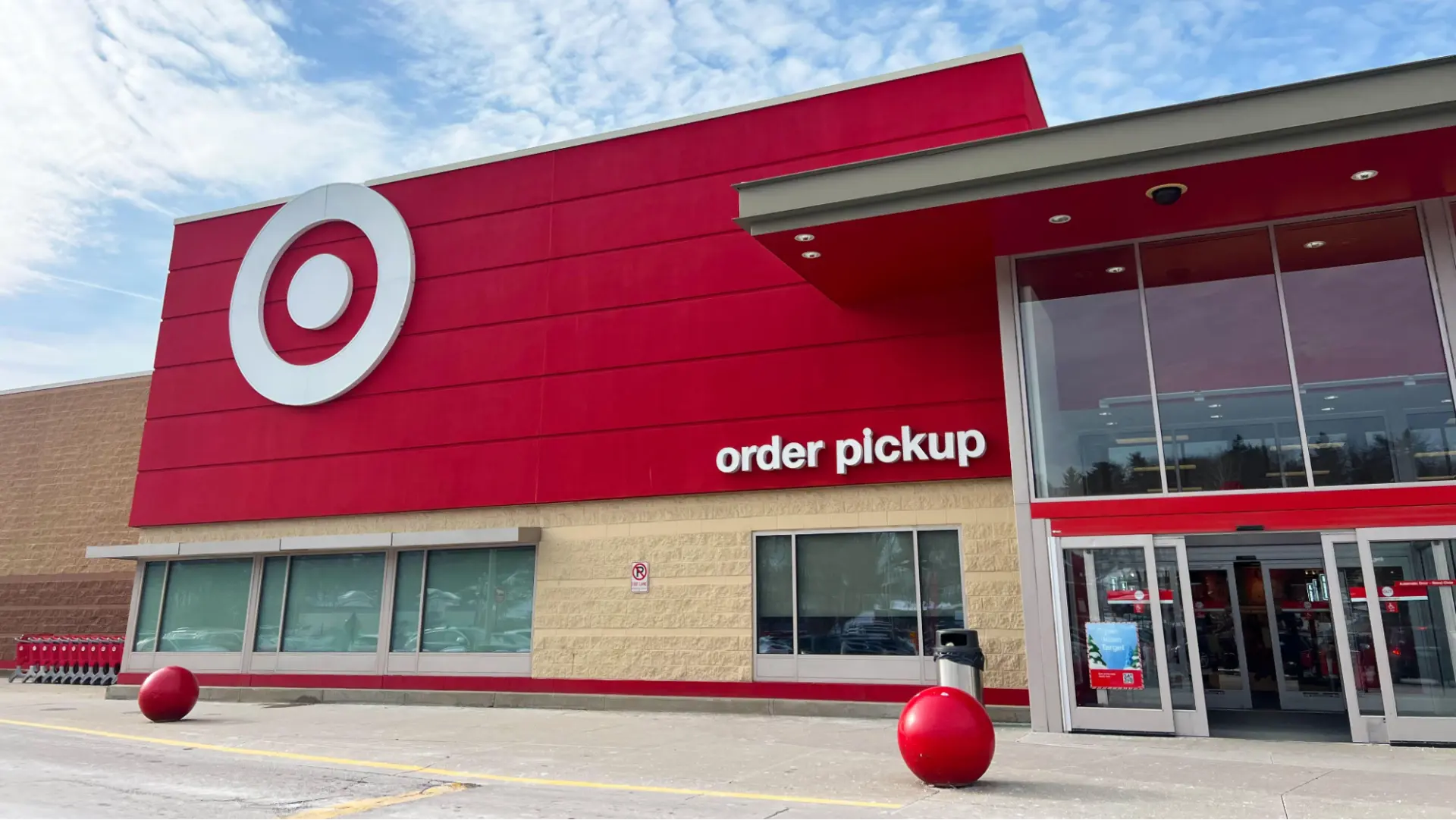
How it works. Target Circle is the free baseline program – no card, just your phone number – earning 1% on most purchases plus personalized deals that activate automatically. Circle 360 is the paid upgrade $99/year, or $49 for Target Circle cardholders adding same-day delivery via Shipt.
The math. A $150/week Target shopper earns $78/year on the base 1%, plus $5-10/week in stacked targeted offers – $250-600/year total. Circle 360 needs 10+ delivery orders annually to recoup its fee.
The catch. Circle dollars are store credit, not cash, and only redeem at Target. Targeted offers are deeply personalized – Target's predictive analytics in this space are well documented and not subtle.
Worth it if: You shop Target weekly. Skip Circle 360 unless you order Target delivery monthly.
Costco Executive: The rare paid tier that pays you back
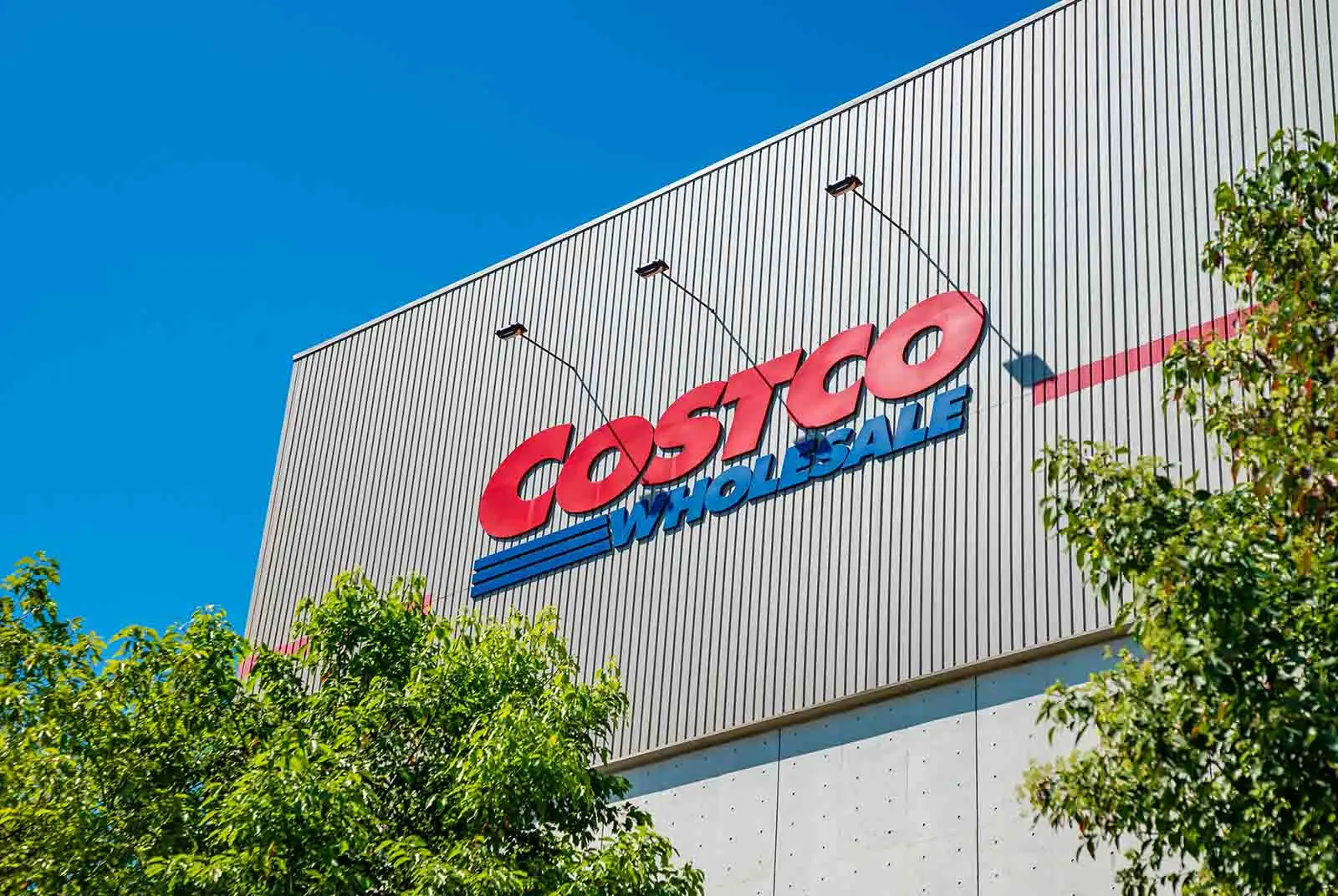
How it works. Costco Executive upgrades from the basic Gold Star membership $130/year for Executive vs $65 Gold Star. Members earn 2% back on most Costco purchases, capped at $1,250/year.
The math. A household spending $200/week at Costco hits $10,400/year. At 2%, that's $208 in annual reward, minus the $65 upgrade premium over Gold Star, for $143 net positive. Break-even sits at about $3,250/year – a threshold most regular Costco shoppers clear easily.
The catch. The 2% reward is paid as an annual certificate, redeemable only at Costco. The $1,250 cap means very high spenders effectively earn less than 2% past $62,500. The underlying value is Costco's wholesale pricing; the 2% is a bonus on top of an already-cheap basket.
Worth it if: You spend $250+/month at Costco. Few paid grocery memberships earn back their fee this cleanly.
Sam's Club Plus: Solid Costco alternative, slightly worse math
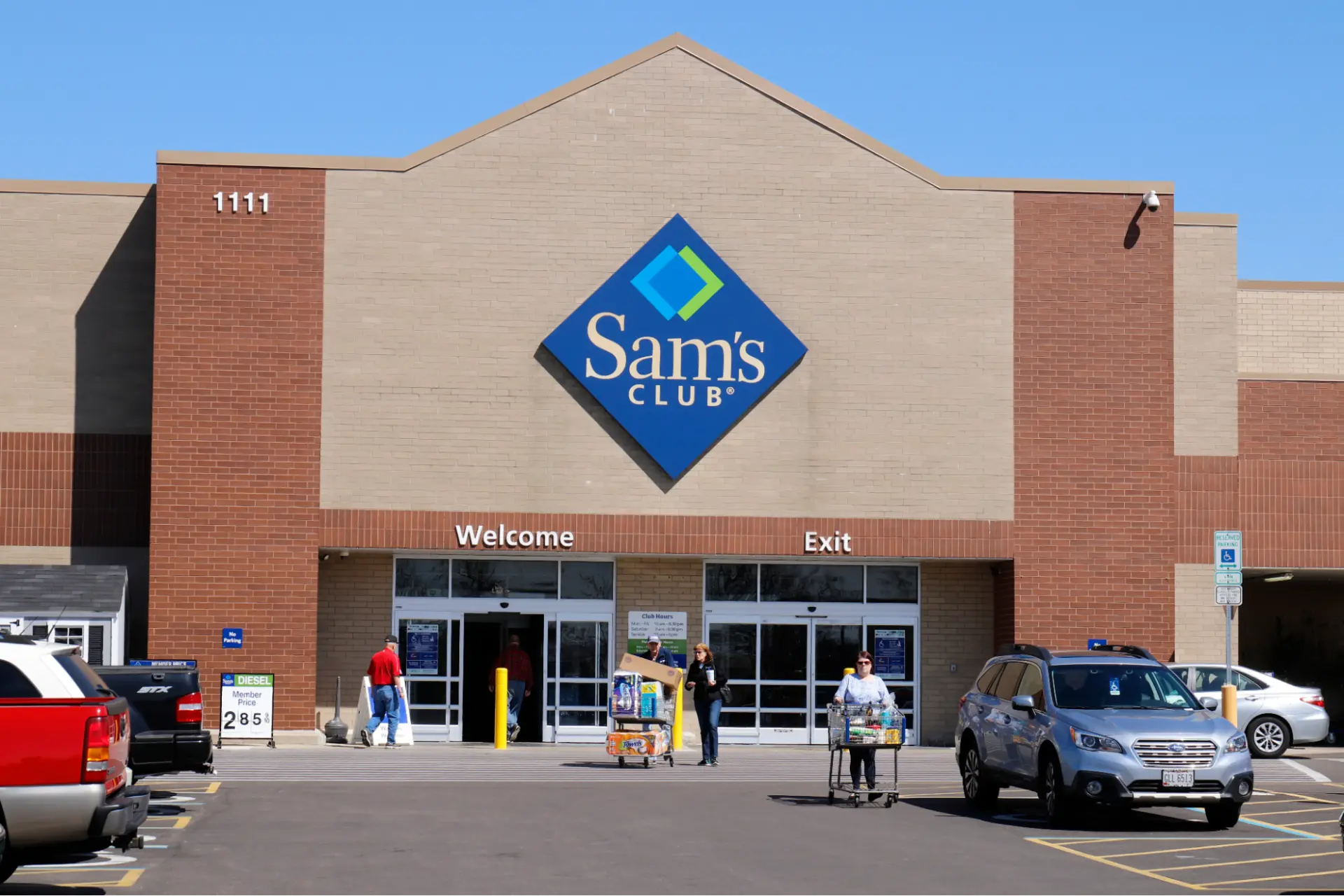
How it works. Sam's Club Plus is the paid upgrade $110/year vs $50 base Club offering 2% back as Sam's Cash (capped at $500/year), free shipping, and early shopping hours.
The math. At $200/week ($10,400/year), the 2% Sam's Cash equals $208 – but the relevant comparison is the $60 upgrade premium over the base tier. Net positive lands around $148 for a high-spending member.
The catch. Sam's Cash redeems only at Sam's Club. The $500 cap kicks in at $25,000 in spending. Free shipping requires online ordering.
Worth it if: Your household spends $200+/week at Sam's and doesn't have a closer Costco. Costco Executive edges it on overall value, but Sam's is competitive where it's the only warehouse option.
Club Publix: A grocery cashback program that mostly isn't
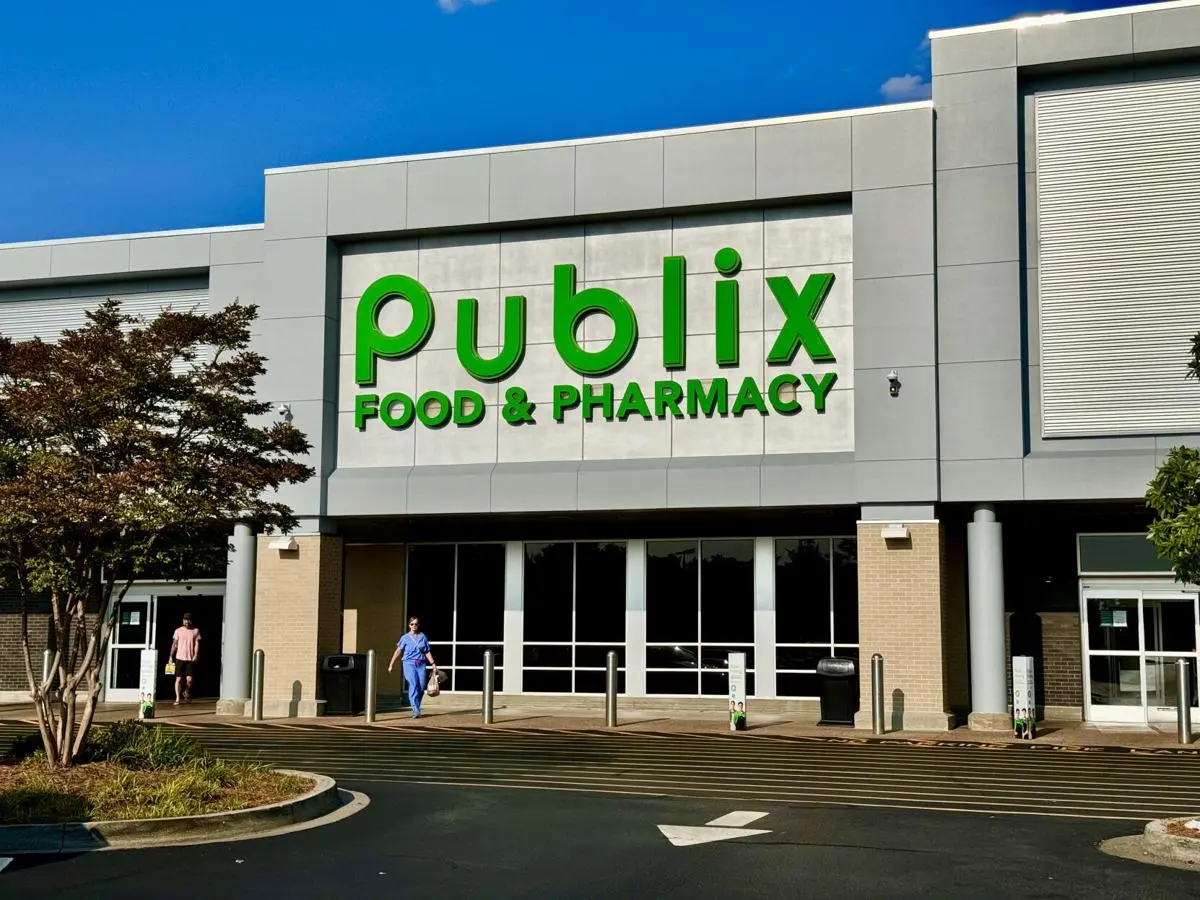
How it works. Club Publix current program name and structure is more of a deal-discovery and digital coupon platform than a points-earning program. Members get personalized weekly offers, advance access to deals, and a birthday treat. There's no points engine and no fuel rewards.
The math. Active users capture $3-7/week in clipped digital coupons – $150-350/year on a $150/week basket. Effective return: 2-4% on the engaged portion of your spending, less on the rest.
The catch. Publix's baseline prices run higher than competitors. The savings mostly close that gap rather than beating it. If you'd otherwise shop at Kroger or Walmart, the loyalty discount usually doesn't make up the spread.
Worth it if: You shop Publix anyway. The free signup costs nothing, but it won't materially change your grocery bill.
Sprouts Rewards Review: Worth It for Sunbelt Shoppers Only
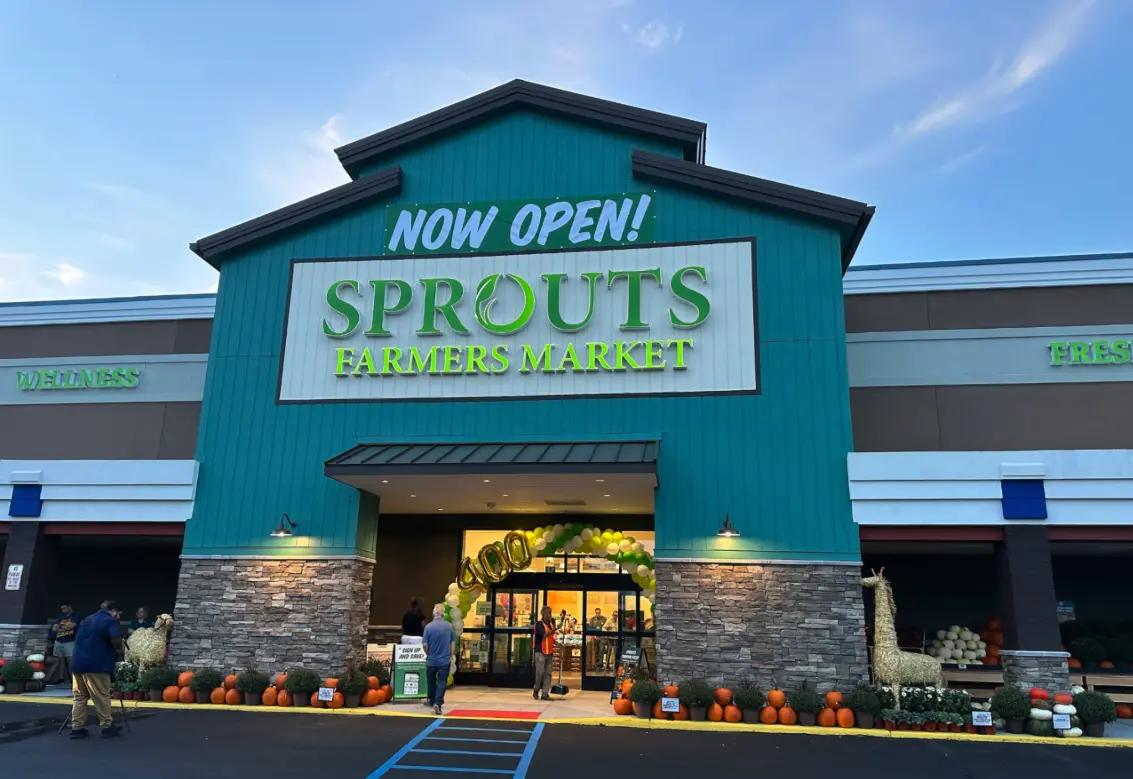
How it works. Sprouts Rewards is the free loyalty program for Sprouts Farmers Market, offering personalized digital coupons, points-based rewards, and member-only sale prices through the app.
The math. A weekly shopper spending $100/week can capture $4-8/week in stacked coupons and member prices, a 4-8% effective return on a constrained natural-foods basket. Annual value: $200-400 for engaged users.
The catch. Sprouts' price level runs above conventional supermarkets, so rewards mostly compensate for that premium rather than beating it. Regionally limited to the Sunbelt-heavy footprint, with short coupon expiry cycles.
Worth it if: Sprouts is already your default for organic produce. Don't switch stores to access this program – redemption value won't survive the price gap with mainstream chains.
Meijer mPerks: The most underrated free program
How it works. Meijer mPerks is a free digital coupons and rewards program tied to your Meijer account. Clipped coupons auto-apply at checkout, and the program tracks personalized rewards on prescriptions, fuel, and select grocery categories.
The math. A $150/week Meijer shopper can stack $5–8/week in personalized coupons – $300-400/year – plus pharmacy and fuel rewards. Effective return: 2-3% with no fee.
The catch. Meijer operates only in six Midwest states (Michigan, Indiana, Ohio, Illinois, Kentucky, Wisconsin). Coupons must be digitally clipped; paper users get nothing.
Worth it if: You live in the Meijer footprint. For Midwest shoppers, mPerks has one of the highest effort-to-reward ratios in this list.
The Hidden Costs Most "Worth It" Lists Ignore
Every grocery cashback program comes with costs beyond the price of admission. Most ranked lists pretend these don't exist.
Phantom and anchored pricing. Some grocers raise list prices and then offer "member savings" that bring shoppers back to where prices effectively were. Independent price audits across the past decade have found this pattern at multiple chains, though it isn't universal.
Data harvesting and personalized pricing. Store rewards card produce the cleanest behavioral dataset most retailers will ever have.
You trade fine-grained purchase data for personalized offers, and the retailer uses that data to optimize prices, promotions, and shelf placement against you as much as for you.
Point expiry traps. Kroger fuel points expire monthly. Safeway points expire on rolling cycles. Sprouts coupons run short. Expiry forces regular engagement – which is the point. Biweekly shoppers can forfeit half their earned value.
The loyalty tax. When stores discount aggressively for members, non-members pay a higher effective price. The gap has grown sharply over the past three years as more retailers wall off promotions behind app sign-ins.
App fatigue. Each program demands an app, a login, and active engagement. A household running six programs spends real time clipping coupons and managing notifications. Programs with auto-applied benefits clear this bar; programs that gate every offer behind manual clicks don't.
How to Stack: Layering Loyalty for Maximum Return
The biggest grocery savings come from layering three independent reward streams on the same purchase.
Layer 1: Store loyalty program (start free)
Sign up for the free tier of your most-shopped store. Skip paid tiers until you've proven you use the bundled benefits. The Kroger Plus card costs nothing and returns 1.5-3% immediately.
Layer 2: Cashback apps
These layer on top of store programs without conflict.
- Ibotta offers rebates on specific products selected before shopping. Engaged users average meaningful annual earnings.
- Fetch scans any grocery receipt and converts purchases to points for gift cards – a passive 1-2% return.
- Upside offers cashback on gas and select groceries at participating stores. Gas savings are most reliable.
- Checkout 51 runs weekly rotating offers similar to Ibotta.
Ibotta and Fetch don't conflict and can stack on the same receipt.
Layer 3: Grocery rewards credit cards
Categories worth knowing:
- Premium grocery cards offering 6% on US supermarkets up to a yearly cap and annual fee for Amex Blue Cash Preferred – the highest grocery cashback rate in the category.
- Rotating-category cards that periodically include grocery stores or wholesale clubs at 5%.
- No-annual-fee cards offering 3% on groceries year-round.
Choose by volume: heavy spenders absorb annual fees on premium cards; light spenders earn more on no-fee 3% cards.
Combined: $850/year – an 8% effective return, or 3-4x what any single program delivers alone.
Match the Program to Your Household
Run yourself through these five questions before signing up.
1. How much do you spend on groceries per week?
- Under $75: Free programs only. No paid tier earns back its fee at this volume.
- $75–150: Free tiers plus one warehouse club if you have storage.
- $150+: Layer free loyalty + cashback apps + a grocery credit card.
2. How often do you fill up gas?
- Weekly or more: Prioritize fuel-points programs (Kroger Plus, Safeway For U) or warehouse club fuel.
- Less than weekly: Fuel programs become marginal. Focus on direct cashback.
3. Do you order delivery 2+ times per month?
- Yes: Walmart+, Target Circle 360, or Safeway Fresh Pass become defensible. Compare bundled perks.
- No: Skip all paid grocery memberships except Costco/Sam's Executive tiers.
4. Do you mostly buy private label or name brands?
- Private label: Warehouse clubs and H-E-B Debit Rewards (in Texas) deliver the deepest savings.
- Name brands: Cashback apps and a 6% supermarket credit card do more work.
5. Solo, couple, or family of 3+?
- Solo: Free programs + cashback apps. Skip warehouse clubs.
- Couple: Add a grocery credit card.
- Family of 3+: All three layers, including Costco Executive.
One honest threshold: if you spend under $50/week and don't drive, even free supermarket rewards deliver thin value. Below that line, switching to a discount chain like Aldi saves more than any rewards program will.
FAQ: Frequently asked questions about grocery loyalty programs
Are grocery loyalty programs worth it?
Is Kroger Boost worth $69/year?
Do loyalty points expire?
Can I use Walmart+ at Sam's Club?
Is Costco Executive worth the upgrade?
What's the difference between Target Circle and Circle 360?
Do loyalty programs raise prices for non-members?
Which grocery rewards program gives the highest cashback?
Can I stack store loyalty with credit card rewards?
Are paid grocery memberships worth it?
Final Verdict: Which Grocery Loyalty Program Is Actually Worth It in 2026?
If you have to pick one card to sign up for in 2026, it's Kroger Plus. It's free, covers a national footprint of banners, the fuel points convert to real money, and the personalized offers are competitive. For a $150/week shopper, the free tier returns $200-500/year with no monthly fee and no upsell.
1. Kroger Plus (free) – strongest free-program value, period.
2. Costco Executive (paid) – the rare paid membership that mathematically pays you back.
3. Target Circle (free) – low-effort baseline savings with broad availability.
Skip: Walmart+. The grocery-specific value is thin once you separate it from the streaming and delivery bundles, and the lack of any points engine means there's no base return on your spending.
«The biggest mistake is that consumers do not load the offers on the loyalty programs. They also spend more money on gas to receive a minuscule saving on the items»
If you only do one thing after reading this guide, sign up for Kroger Plus or whichever Albertsons-banner card serves your region. Stop paying for memberships that don't earn back their fees.